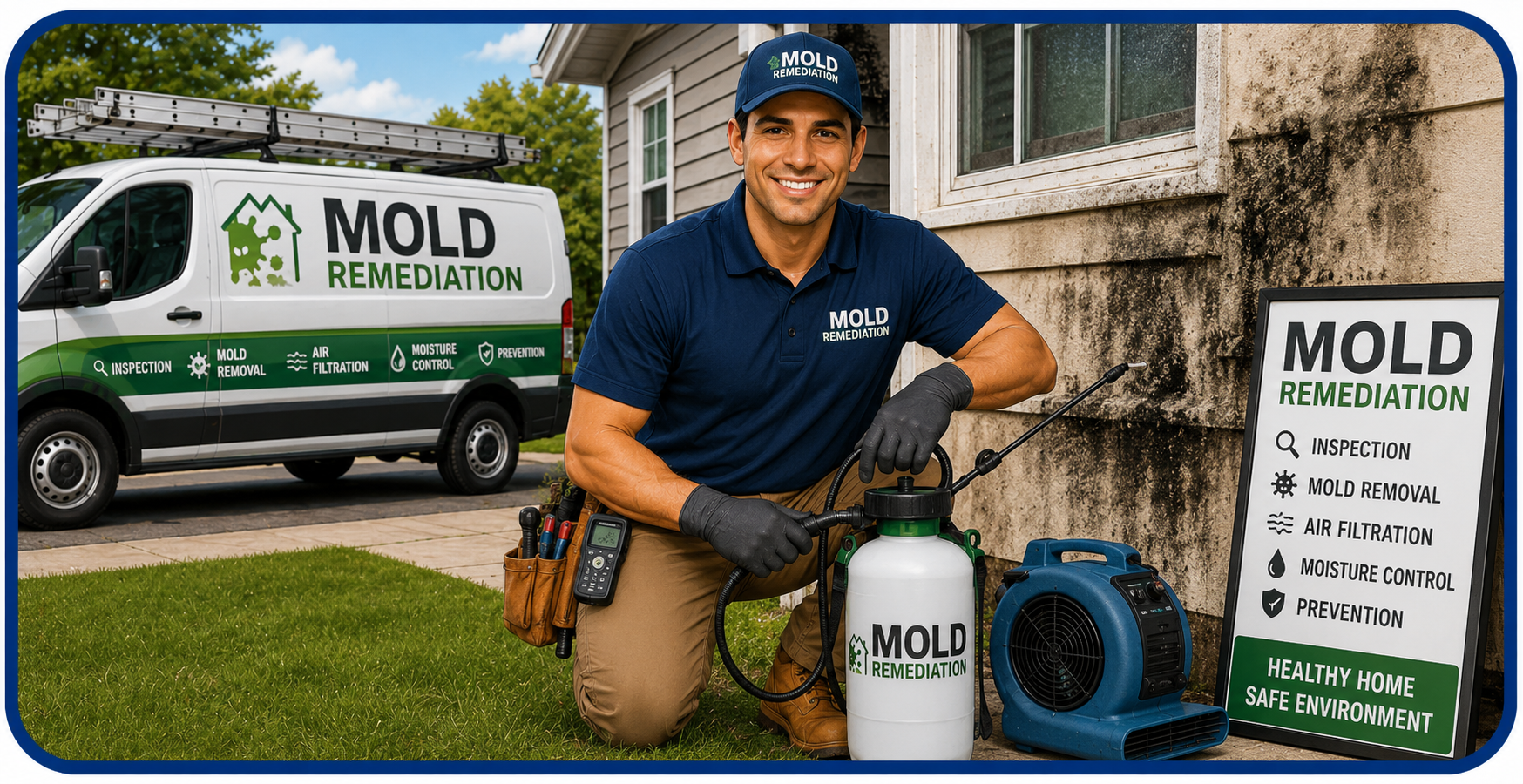
Non-Invasive Inspection
Mold Inspection in Seattle, WA
WQB Mold Removal's Seattle inspectors use moisture meters, borescopes, and thermal imaging to find what a walk-through alone would miss.
📞 Call +1-844-578-1604 Now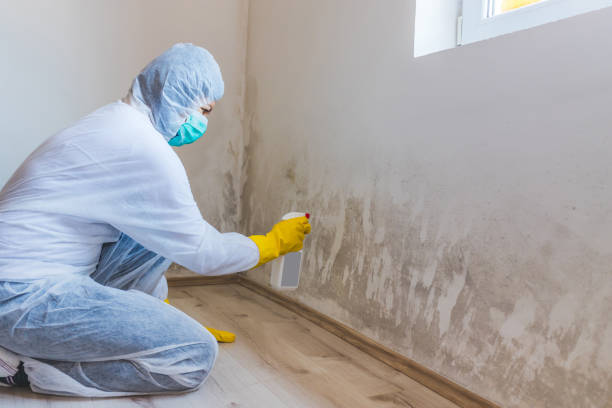
WQB Mold Removal's Seattle inspectors use moisture meters, borescopes, and thermal imaging to find what a walk-through alone would miss.
📞 Call +1-844-578-1604 Now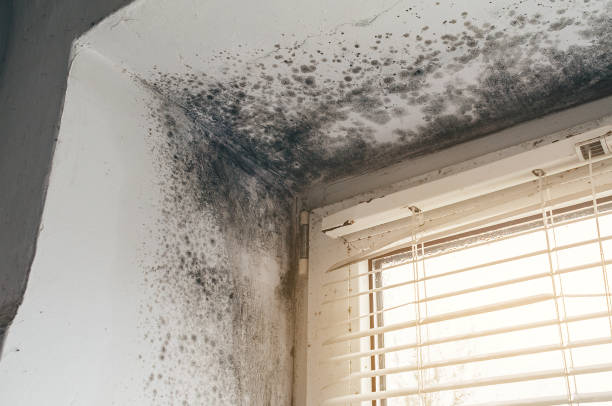
Our inspectors carry moisture meters, thermal cameras, and borescopes to every Seattle, WA appointment, whether it's a routine check or a pre-purchase walkthrough.
We built this as a standalone service specifically so Seattle clients could get an independent opinion without a remediation sales pitch attached. We also walk you through what a normal reading actually looks like, so a clean report means something concrete.
What sets our Mold Inspection crew apart in Seattle.
Our Seattle inspectors are trained specifically in moisture diagnostics, not just general home inspection. Findings are cross-checked against moisture readings before anything goes in the report.
Borescope cameras let us look inside a cavity through a small access point instead of opening it up. We recalibrate our instruments regularly so Seattle readings stay accurate job after job.
Reports include photos, findings, and moisture readings, not just a verbal summary. Findings are cross-checked against moisture readings before anything goes in the report.
Our inspectors report what they find — they don't work on commission for follow-up remediation. We recalibrate our instruments regularly so Seattle readings stay accurate job after job.
Every Seattle job gets scoped to the specific problem, not a generic checklist.
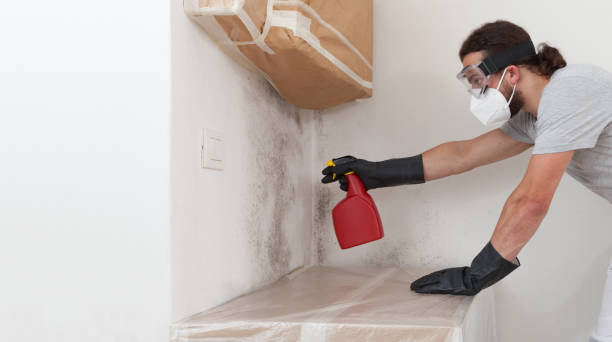
We walk every accessible area of the Seattle property, checking for staining, discoloration, and conditions that support growth.
Moisture mapping catches problems that haven't become visible mold yet, which matters for pre-purchase inspections.
This step is used selectively, typically where moisture readings or odor point to something hidden.
Thermal cameras detect temperature differences that often indicate moisture behind a surface, invisible to the eye.
Reports are formatted to support real estate negotiations if an issue turns up.
If testing is recommended based on what we find, the report explains exactly why.
Here's what a Seattle mold inspection actually involves, step by step.
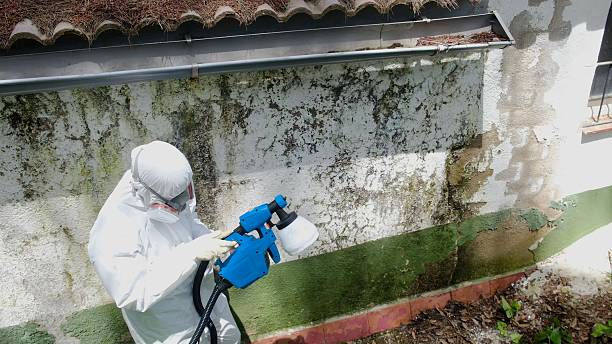
Tell us what you're seeing and we'll get a Mold Inspection specialist on the calendar for your Seattle property, often same-day. We'll give you a realistic arrival window rather than a vague estimate.
Response time in Seattle is typically same-day, faster for active emergencies. We arrive in marked vehicles with everything needed to start the assessment right away.
We inspect, test where needed, and give you a flat-rate quote before any work begins. Nothing gets added later that wasn't discussed and approved upfront.
The job isn't done until it passes our own check, backed by a written guarantee. We'll walk the space with you before calling it finished.
A few recent stories from inspection appointments around Seattle.
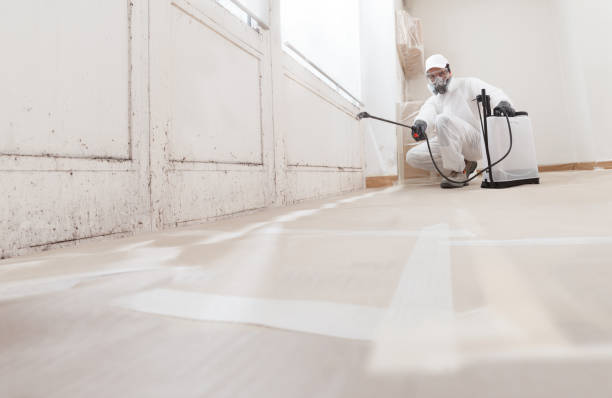
"They found a moisture problem behind our kitchen wall that our home inspector completely missed."|"The report was detailed enough that we used it directly in our purchase negotiation." — Trevor S., Seattle
"No pressure to book remediation — they just told us what they found and let us decide."|"Thermal camera caught a leak we didn't even know we had." — Bianca H., Seattle
"Fast, professional, and the report came the same afternoon."|"Explained every reading in plain language instead of jargon." — Marcus D., Seattle
Booking takes a phone call, and most inspections are scheduled within a day or two.
Call +1-844-578-1604WQB Mold Removal sends certified inspectors throughout Seattle and the surrounding Seattle, WA area.
Our inspection vehicles carry moisture meters, thermal cameras, and borescopes on every Seattle call.
Coverage extends to zip codes such as 98109 98108 98104 98107 98106 98101 98103 98102 98105 98154 98122 98121 98126 98125 98178 98174 98177 98144 98146 98195 98199 98118 98119 98116 98117 98115 98112 98164 98134 98136 98133 98111 98113 98114 98124 98127 98129 98139 98141 98145 98161 98165 98170 98175 98181 98185 98191 98194 98148 98155 98158 98166 98168 98188 98198
The questions we hear most before an inspection visit.
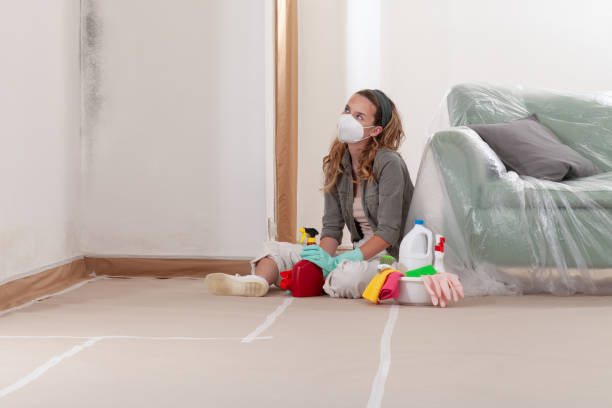
A standard inspection is visual and moisture-based; if we find something worth confirming, we'll recommend separate air or surface testing.
A borescope may require a small access hole only where readings point to a hidden problem, and we'll always explain why first.
A typical single-family home takes one to two hours depending on size and accessibility.
Yes — our reports are formatted to be useful in purchase negotiations or disclosure requirements.
We'll explain what we found, where, and what it likely means, without any obligation to book further work with us.